

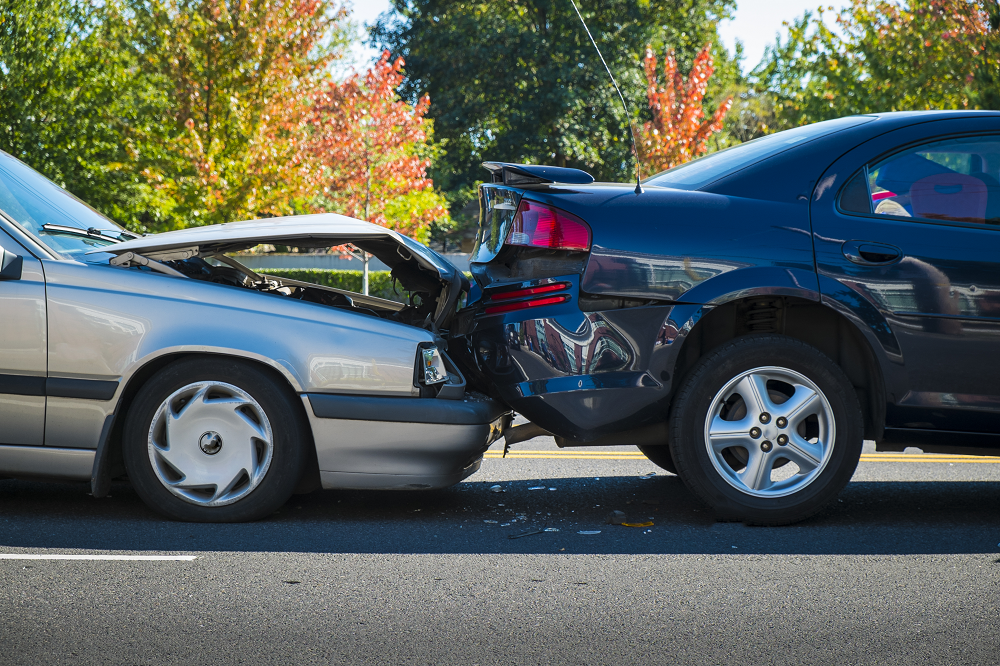
The immediate aftermath of a severe car collision is a whirlwind of blinking emergency lights, screeching sirens, shattered glass, and the agonizing realization of physical injury. For most survivors, the primary focus centers entirely on healing broken bones, treating lacerations, and waiting for physical therapy sessions to restore mobility. Yet, as the weeks turn into months and the physical bruises begin to fade, a different, more insidious kind of trauma often emerges from the shadows. The invisible wounds left behind on the human psyche can be just as debilitating as any orthopedic injury, transforming everyday life into a constant state of hypervigilance and fear.
Post-Traumatic Stress Disorder is a profound psychological condition that frequently affects survivors of catastrophic motor vehicle crashes. Unfortunately, when victims attempt to seek financial compensation for their suffering through personal injury claims, they often discover that insurance companies treat invisible psychological injuries with skepticism, suspicion, and outright dismissal. Insurance adjusters are quick to write off emotional distress as ordinary post-accident nervousness, attempting to deny or minimize payouts for mental health treatment. Understanding how to recognize PTSD symptoms, document your psychological trauma effectively, and navigate the legal landscape is essential for securing the comprehensive recovery you deserve.
Understanding PTSD in the Context of Motor Vehicle Accidents
Post-Traumatic Stress Disorder is not a sign of weakness or an overreaction to a scary event; it is a serious anxiety-related disorder triggered by experiencing or witnessing a terrifying, life-threatening incident. When a violent collision occurs, the brain survival mechanisms go into absolute overdrive, flooding the body with stress hormones. In some individuals, the neural circuitry fails to process the trauma properly, trapping the brain in a chronic state of fight-or-flight response long after the physical danger has passed.
Car accidents are uniquely fertile ground for developing PTSD because driving is an essential, highly routine activity that most people engage in daily. When a routine commute suddenly becomes a brush with death, the ordinary triggers of daily life—passing the intersection where the crash occurred, hearing the screech of tires, or even sitting in the passenger seat of a car—can instantly transport the victim back to the terrifying moment of impact. This persistent re-experiencing of the trauma disrupts relationships, impairs work performance, and destroys overall quality of life.
Recognizing the Key Symptoms of Post-Traumatic Stress Disorder
To build a successful legal claim for psychological trauma, you must first understand how PTSD clinically manifests. Medical professionals categorize PTSD symptoms into distinct clusters, each of which impacts a survivor daily existence.
Intrusive Thoughts and Flashbacks
Victims frequently experience vivid, unwanted recurring memories of the crash. These can manifest as daytime flashbacks where the individual feels as though they are reliving the accident in real time, or as terrifying nightmares that disrupt sleep night after night. A sudden loud noise or a flashing light can trigger an intense emotional and physical reaction, including a racing heart, trembling, and cold sweats.
Avoidance Behaviors
One of the most obvious behavioral changes following a car accident is aggressive avoidance. Survivors with PTSD will go to extraordinary lengths to avoid anything remotely connected to the trauma. This includes refusing to drive past the accident scene, completely abandoning the route where the collision occurred, or refusing to get into a car altogether. For individuals whose professions depend on driving, this avoidance can completely derail their career.
Hyperarousal and Emotional Numbness
A person suffering from PTSD is constantly bracing for the next catastrophe. Hyperarousal causes extreme irritability, sudden angry outbursts, insomnia, and an unyielding state of hyper-vigilance where the individual scans their environment for non-existent threats. Conversely, some survivors experience severe emotional numbness, feeling completely detached from loved ones, losing interest in hobbies they once cherished, and feeling incapable of experiencing positive emotions.
The Skepticism of Insurance Companies Toward Psychological Claims
When personal injury lawyers submit a demand package that includes substantial financial compensation for PTSD and emotional distress, insurance adjusters routinely push back. Unlike a fractured femur or a herniated disc that appears clearly on an X-ray or an MRI scan, psychological injuries lack a tangible image.
Insurance defense attorneys and corporate adjusters exploit this invisibility, arguing that the claimant is simply experiencing normal stress or grief that will naturally fade over time. They may comb through your medical history, looking for pre-existing anxiety, past life stressors, or family history of mental health challenges, attempting to blame your current psychological state on unrelated factors rather than the car crash. Overcoming this institutional skepticism requires rigorous medical documentation, professional evaluations, and an unshakeable evidentiary record.
Documenting and Proving Your PTSD Claim in Court
To compel an insurance company or a jury to take your psychological injuries seriously, you must approach your PTSD claim with the exact same evidentiary precision you apply to your physical injuries.
Seeking Prompt Professional Treatment
The single most critical step in validating a PTSD claim is seeking immediate treatment from licensed mental health professionals, such as psychiatrists, psychologists, or clinical social workers. Waiting six months after a crash before mentioning your anxiety or nightmares to a doctor gives insurance adjusters the ammunition they need to claim your psychological distress was caused by something else entirely. Regular therapy sessions, psychiatric evaluations, and counseling records create an objective, chronological medical paper trail.
Detailed Clinical Diagnoses
A casual mention of feeling stressed in a primary care physician chart is rarely enough to win a major legal claim. You need a formal clinical diagnosis of Post-Traumatic Stress Disorder rendered by a qualified mental health specialist utilizing standardized diagnostic criteria. Detailed clinical notes outlining the severity of your symptoms, your triggers, your prognosis, and your recommended treatment plan—including cognitive behavioral therapy or prescription medications—provide the authoritative evidence required in court.
Journaling Your Daily Struggle
Memory is notoriously unreliable, especially when dealing with the cognitive fog associated with trauma. Maintaining a private, daily journal detailing your emotional and psychological state can be an incredibly powerful evidentiary tool. Record your panic attacks, sleepless nights, flashbacks, and specific instances where your PTSD prevented you from working, spending time with your children, or running basic errands. This personal record captures the human reality behind the clinical terminology, helping judges and juries understand the daily burden of your injury.
Calculating Damages for Invisible Injuries
In a personal injury lawsuit, compensation for PTSD falls under non-economic damages, covering pain and suffering, emotional anguish, mental distress, and the loss of enjoyment of life. Because psychological injuries do not come with an itemized billing statement, calculating their financial value requires analyzing several specific factors.
The Severity and Duration of Symptoms
A temporary bout of driving anxiety that resolves after a few weeks of counseling carries a different legal valuation than chronic, debilitating PTSD that persists for years, requiring ongoing psychiatric care and rendering an individual incapable of returning to work. The longer your psychological recovery takes, and the more severe your daily impairment, the higher the rightful financial valuation of your claim.
Impact on Earning Capacity and Quality of Life
If severe PTSD prevents you from driving, attending client meetings, or functioning in a high-stress professional environment, your claim extends beyond simple pain and suffering into lost earning capacity. Furthermore, if your psychological trauma destroys your ability to engage in family life, maintain marriages, or enjoy recreational activities, these profound losses of life quality are factored into the overall compensation package.
Working with Expert Witnesses
In high-stakes personal injury litigation involving severe psychological trauma, attorneys frequently retain expert witnesses to bolster the case. Forensic psychologists or neuropsychiatrists can testify as expert witnesses, explaining to a judge or jury how physical trauma to the brain and nervous system during a severe car crash triggers PTSD. These experts can review your medical records, conduct comprehensive psychological testing, and articulate the long-term impact of the disorder with scientific authority, neutralizing the dismissive tactics of insurance defense teams.
Moving Forward on the Road to Recovery
Sustaining severe psychological injuries in a car accident can make you feel as though your entire world has shrunk, trapping you inside an invisible prison of fear and anxiety. While financial compensation cannot instantly erase the mental scars left by a catastrophic crash, holding the negligent driver accountable provides the resources necessary to access top-tier psychiatric care, fund ongoing therapy, and secure your financial stability while you rebuild your life. By recognizing the validity of your psychological trauma, documenting your symptoms meticulously, and standing firm against insurance adjusters who attempt to minimize your invisible injuries, you can reclaim your peace of mind and take courageous steps toward lasting healing.
