

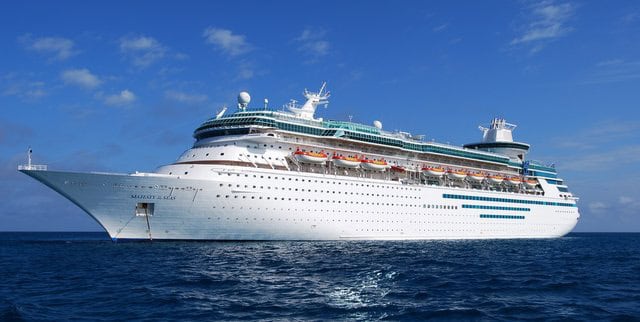
Stepping aboard a massive modern cruise ship feels like entering a floating luxury resort designed entirely for relaxation, entertainment, and escape. From cascading swimming pools and bustling midnight buffets to exhilarating zip lines and world-class theatrical productions, these floating cities offer an unforgettable vacation experience. However, when an unexpected accident occurs—such as a violent slip on a wet pool deck, a dangerous trip over an unmarked threshold, or food poisoning from a shipboard restaurant—the dream vacation can instantly turn into a physical and logistical nightmare.
Dealing with an injury on land is stressful enough, but getting hurt in the middle of international waters introduces an entirely different universe of legal complexities. Maritime law operates under a distinct set of archaic and specialized rules that look nothing like standard personal injury cases handled on land. Worse yet, the fine print tucked away inside your cruise ticket contract establishes exceptionally aggressive deadlines that catch many injured passengers completely off guard. Understanding how maritime law functions and why moving swiftly is critical can protect your rights and preserve your ability to seek fair financial compensation.
The Unique Legal Landscape of Maritime Law
When you file a personal injury lawsuit for a slip and fall at a local grocery store or a car crash on a state highway, your claim is governed by local state laws and standard negligence statutes. If you slip and fall on a cruise ship deck, however, your case enters the realm of federal maritime law and admiralty jurisdiction.
Maritime law governs legal disputes that occur on navigable waters. Because cruise ships operate across international waters and move fluidly between various states and foreign countries, federal statutes and specialized judicial precedents supersede local laws. This framework creates unique hurdles for injured passengers. For instance, proving negligence against a massive corporate cruise line requires demonstrating that the company had actual or constructive notice of a dangerous condition and failed to fix it in a reasonable timeframe. Navigating these specialized legal standards requires experienced counsel who understands the nuances of admiralty courts.
The Hidden Trap of the Cruise Ticket Contract
Ask most travelers what they do with the long booklet or digital PDF of terms they receive when booking a cruise, and they will likely admit they scroll straight to the bottom and click agree without reading a single word. Cruise lines know this human tendency well, and they embed their most powerful protective measures deep within those fine-print pages.
That cruise ticket is not merely a boarding pass; it is a legally binding contract of adhesion. Federal courts consistently uphold the validity of these passenger contracts, provided they were reasonably communicated to the traveler prior to departure. Buried inside those dense paragraphs of legalese are specific provisions that radically alter your legal rights, dictate where you are allowed to sue, and slash the timeframe you have to take action.
The Crucial Six-Month Notice Requirement
If you think you have years to contemplate filing a lawsuit—as is common with standard land-based personal injury cases—you face a dangerous misconception. Cruise line ticket contracts universally enforce a strict notice of claim provision.
Before you are even legally permitted to file a formal lawsuit against major lines like Carnival, Royal Caribbean, Norwegian, or Disney, the contract typically requires you to provide written notice of your injury within six months (often explicitly defined as 180 or 185 days) from the exact date the accident occurred. If you fail to submit this formal written notice within that tight window, the cruise line will use that failure as an absolute defense to dismiss your claim entirely, regardless of how severe your injuries are or how blatantly negligent the crew may have been.
The One-Year Statute of Limitations
Beyond the initial six-month notice requirement, the ticket contract enforces an even more unforgiving deadline regarding the actual lawsuit. While general maritime tort claims might theoretically carry a three-year statute of limitations under federal statute, cruise lines use their contractual authority to slash that window down to just one year from the date of the incident.
This means you have a maximum of twelve months to investigate the accident, gather medical records, negotiate with corporate adjusters, retain maritime counsel, and formally file your lawsuit in court. Missing this one-year window by even a single day permanently bars you from seeking compensation. The court will dismiss the case outright, and the cruise line has zero legal obligation to offer you a single penny.
The Venue Provision: Where Must You File?
Time is not the only restriction hidden in the ticket contract. Cruise lines also dictate venue provisions, which specify the exact geographic court where any legal action must be litigated.
If you live in California, New York, or Texas, you might assume you can file your lawsuit in your local county courthouse. However, most major cruise lines—including Carnival, Royal Caribbean, Celebrity, and Norwegian—require all lawsuits to be filed exclusively in the United States District Court for the Southern District of Florida in Miami. Other lines, such as Holland America, mandate filings in federal court in Seattle, Washington. Fighting a multi-national corporation in a distant federal court underscores why partnering with an attorney experienced in national maritime litigation is indispensable.
Immediate Steps to Take After a Cruise Ship Injury
Because maritime deadlines are exceptionally strict and cruise lines deploy aggressive legal teams to protect their corporate interests, your actions immediately following an accident can make or break your potential claim.
Report the Incident Onboard Immediately
Do not wait until your vacation ends to report a slip, trip, or fall. Notify ship security, guest services, or the shipboard medical center immediately. Demand that an official incident report be generated, and request a copy before you disembark. If the ship medical staff treats your injuries, obtain complete copies of your treatment charts, diagnostic scans, and medical bills. Keep in mind that shipboard doctors are often classified as independent contractors rather than direct employees of the cruise line, which introduces another layer of legal complexity when assessing medical malpractice claims.
Document the Scene and Preserve Evidence
Evidence disappears rapidly at sea. If you are physically able, take high-resolution photographs and videos of the hazardous condition that caused your injury—whether it is an uncleaned liquid spill on a deck, a broken handrail, a malfunctioning elevator door, or poor lighting in a stairwell. Collect contact information from any fellow passengers or crew members who witnessed the accident. Their eyewitness testimonies will serve as invaluable evidence when establishing that the cruise line had notice of the dangerous condition.
Securing Your Legal Rights
Sustaining a serious injury while on a cruise can shatter your physical well-being and cast a dark shadow over what was meant to be a joyful getaway. Navigating the rigid demands of federal maritime law, deciphering complex ticket contracts, and racing against unforgiving six-month notice windows and one-year filing deadlines is not something you should attempt alone. By acting swiftly, documenting every detail of the incident, and partnering with a specialized maritime personal injury attorney, you can level the playing field and hold the cruise line fully accountable for their negligence.
