

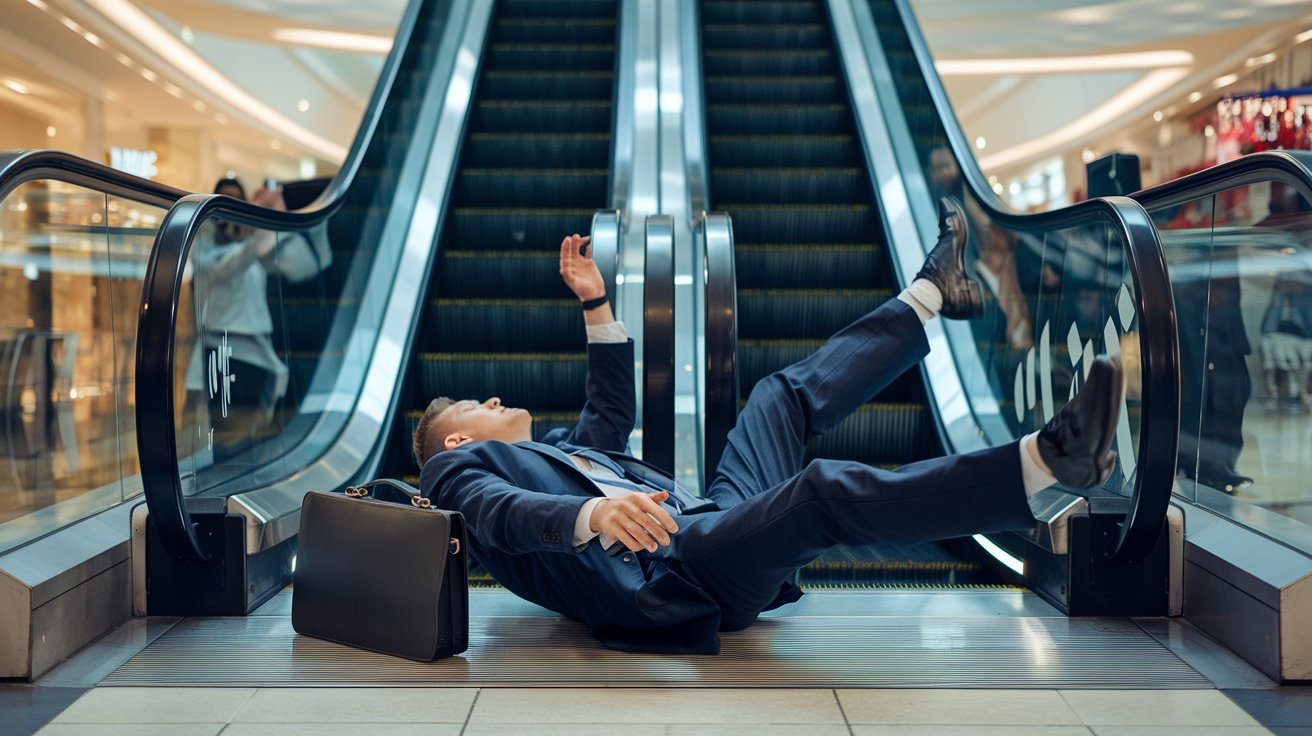
Commercial buildings are designed to facilitate the smooth flow of commerce, hospitality, and daily work. Elevators and escalators serve as the vertical highways of these spaces, carrying thousands of visitors, employees, and tenants safely between floors every single day. Because most people step onto an elevator or escalator without a second thought, the sudden failure of these mechanical systems can be both terrifying and devastating. When a mechanical malfunction or a failure in routine maintenance leads to severe injury, the legal questions surrounding accountability quickly become complex. Navigating the aftermath requires a solid understanding of premises liability and how commercial property owners are held accountable for the safety of their vertical transportation systems.
The Foundation of Premises Liability in Commercial Real Estate
Premises liability is a legal concept rooted in tort law that holds property owners and occupiers legally responsible for maintaining a safe environment for visitors. In a commercial context—ranging from high-rise office towers and bustling shopping malls to hotels, hospitals, and parking garages—the duty of care owed to visitors is exceptionally high.
Commercial property owners invite the public onto their premises for business purposes. Consequently, they cannot simply install equipment and walk away. They have an affirmative legal obligation to inspect, maintain, repair, and operate their property in a reasonably safe condition. When an elevator or escalator malfunctions due to negligence, the injured party may pursue a premises liability claim to recover damages for medical expenses, lost wages, and pain and suffering.
Understanding the Legal Status of Visitors
Before establishing liability in a commercial accident case, the law typically examines the legal status of the injured person at the time of the incident. Commercial buildings generally divide visitors into specific categories, each receiving a distinct level of legal protection under state laws:
-
Invitees: These are individuals who enter the property for business purposes connected with the owner’s business, such as retail shoppers, office workers, clients, and delivery personnel. Property owners owe invitees the highest duty of care, which includes inspecting the premises for hidden dangers and actively fixing hazardous conditions.
-
Licensees: These are individuals who enter the property for their own purposes with the owner’s express or implied permission, such as social guests of a tenant or door-to-door visitors. Owners generally must warn licensees of known dangerous conditions that are not readily apparent.
-
Trespassers: These are individuals who enter the property without permission or legal right. Property owners generally owe trespassers a minimal duty of care, primarily refraining from intentionally harming them, though exceptions can apply depending on local statutes and the presence of attractive nuisances.
In the vast majority of elevator and escalator accident claims occurring in commercial spaces, the injured party is classified as an invitee. This classification places the strongest possible burden of proof on the property owner to demonstrate that they met or exceeded the standard duty of care.
Common Causes of Elevator and Escalator Malfunctions
Elevator and escalator systems are intricate networks of mechanical, electrical, and hydraulic components. When maintenance is deferred or installation is flawed, catastrophic failures can occur. Understanding what went wrong is critical to proving liability in a legal claim.
Elevator Accidents and Hazards
Elevators rely on a complex interplay of cables, counterweights, door sensors, braking mechanisms, and leveling systems. Common mechanical failures include:
-
Leveling Malfunctions: When an elevator car stops several inches above or below the floor landing, it creates a dangerous tripping hazard. Passengers stepping out may catch their feet, resulting in severe falls, broken bones, or ligament tears.
-
Sudden Free Falls or Abrupt Stops: While modern safety brakes make actual free falls rare, sudden drops or abrupt emergency stops can throw passengers violently against the interior walls, causing whiplash, traumatic brain injuries, and spinal trauma.
-
Door Malfunctions: Faulty sensors or misaligned doors can close prematurely on passengers, striking them with significant force, or fail to close properly while the car is moving, creating a risk of falls into the open shaft.
-
Pully and Cable Failures: Worn-out suspension ropes or malfunctioning drive sheaves can compromise the entire suspension system, leading to erratic movements or entrapments.
Escalator Accidents and Hazards
Escalators move continuously, carrying heavy loads under constant mechanical strain. Common hazards include:
-
Comb Plate Impacts: The comb plate is the toothed section at the top and bottom of an escalator where steps enter the mechanism. If the comb plate is damaged or improperly adjusted, shoes, clothing, or limbs can become trapped.
-
Missing or Broken Steps: Structural wear and tear can cause individual steps to crack or collapse under weight, causing passengers to fall into the internal machinery.
-
Sudden Reversals or Stoppages: Electrical faults or overloaded drives can cause an escalator to suddenly reverse direction or halt abruptly, creating a domino effect where multiple passengers tumble backward.
-
Inadequate Side Handrails: Handrails that move at a different speed than the steps can throw off a passenger’s balance, leading to falls from elevated heights.
Identifying Responsible Parties in Commercial Injury Cases
One of the most complex elements of an elevator or escalator accident lawsuit is determining who is legally at fault. Unlike a simple slip-and-fall on a wet floor where only the property owner is implicated, vertical transportation cases frequently involve a web of corporate entities and contracted specialists.
Commercial Property Owners and Landlords
The owner of the building holds ultimate legal responsibility for the premises. Even if the owner hires third-party management firms or maintenance contractors, they generally cannot delegate their non-delegable duty to keep the building safe for tenants and visitors. If the owner ignored repeated complaints about a malfunctioning elevator or deferred necessary modernization upgrades to save money, they can be held directly liable.
Property Management Companies
Many commercial buildings are operated by third-party property management companies. These firms handle daily operations, tenant relations, and maintenance scheduling. If a property manager fails to report unusual noises or erratic behavior in an elevator system to the maintenance provider, or fails to post out-of-order signs when a known danger exists, negligence can be established against them.
Elevator Maintenance and Repair Contractors
Property owners rarely service their own elevators and escalators. Instead, they enter into long-term service contracts with specialized elevator maintenance companies (such as Schindler, Otis, ThyssenKrupp, or KONE). These contractors are responsible for regular safety inspections, lubrication, adjustments, and repairs. If an accident occurs because a technician failed to replace a worn-out brake lining or overlooked a fraying cable during a routine check, the maintenance company shares or bears primary liability.
Equipment Manufacturers
In some cases, the accident is not the result of poor maintenance, but rather a fundamental design flaw or a manufacturing defect in a component part. If a valve, relay switch, or circuit board fails prematurely due to poor manufacturing standards, product liability laws allow injured plaintiffs to sue the equipment manufacturer directly, bypassing the need to prove negligence on the part of the building owner.
The Role of Industry Standards and Building Codes
Commercial buildings do not operate in a regulatory vacuum. They are governed by stringent municipal building codes, state safety regulations, and national industry standards. The two primary governing standards for vertical transportation are established by the American Society of Mechanical Engineers (ASME):
-
ASME A17.1: The Safety Code for Elevators and Escalators, which outlines design, installation, testing, and inspection requirements for new and existing equipment.
-
ASME A17.2: The Guide for Inspection of Elevators, Escalators, and Moving Walks, which dictates how regular maintenance checks must be performed.
Compliance with these standards is mandatory. If an investigation reveals that a commercial building violated local building codes or allowed an elevator’s operating permit to lapse without required safety tests, that violation can serve as powerful evidence of negligence under the legal doctrine of negligence per se.
Proving Negligence in a Premises Liability Claim
To successfully recover compensation in an elevator or escalator accident lawsuit, the injured party must establish the four core elements of negligence:
-
Duty of Care: The defendant (property owner, manager, or maintenance contractor) owed a legal duty to the plaintiff to maintain safe premises and equipment.
-
Breach of Duty: The defendant breached that duty through action or inaction—such as failing to repair a known defect, ignoring maintenance schedules, or performing substandard repairs.
-
Causation: The defendant’s breach of duty was the direct and proximate cause of the plaintiff’s accident and resulting injuries.
-
Damages: The plaintiff suffered actual, quantifiable losses, such as medical bills, lost wages, rehabilitation costs, and pain and suffering.
Gathering evidence to prove these elements requires swift action. Commercial property owners and maintenance companies control the physical premises, service logs, repair histories, and internal communications. Legal representation is often necessary to issue formal preservation letters, subpoena maintenance logs, analyze security camera footage, and retain independent engineering experts to examine the accident site before evidence is altered or repaired.
Conclusion
Elevator and escalator accidents in commercial buildings carry life-altering consequences, frequently resulting from systemic negligence rather than mere misfortune. Because commercial properties owe an elevated duty of care to their visitors, victims of these mechanical failures have powerful legal avenues available to seek justice. Understanding premises liability, identifying the web of responsible parties, and upholding rigorous industry standards ensure that commercial spaces remain safe for everyone who steps foot inside them.
