

E-commerce has transformed how businesses sell and how consumers shop. With this growth comes increased exposure to data breaches, fraud, and cyberattacks. Cyber law plays a crucial role in safeguarding online transactions by setting legal standards for security, privacy, and accountability.
Understanding how cyber law supports e-commerce security helps businesses protect customers, maintain trust, and operate responsibly in a digital marketplace.
Understanding Cyber Law in E-Commerce
Cyber law refers to the legal framework governing digital activities, including online commerce, data protection, electronic transactions, and cybersecurity. In e-commerce, these laws establish the rules businesses must follow to secure digital platforms and customer information.
Cyber law applies to:
- Online payments and financial data
- Customer personal information
- Digital contracts and transactions
- Cross-border online commerce
These regulations help create a safer environment for buyers and sellers alike.
Protecting Consumer Data and Privacy
One of the most important roles of cyber law is protecting consumer data. E-commerce platforms collect sensitive information such as names, addresses, and payment details, making them attractive targets for cybercriminals.
Cyber laws typically require businesses to:
- Implement reasonable data security measures
- Limit data collection to necessary purposes
- Protect stored and transmitted information
- Notify users of data breaches when required
Strong legal standards reduce the risk of misuse and build consumer confidence.
Securing Online Transactions
Cyber law supports secure e-commerce by regulating how online transactions are conducted and verified.
Key legal requirements often address:
- Secure payment processing systems
- Encryption of financial information
- Authentication and fraud prevention measures
- Accountability for unauthorized transactions
These rules help ensure that online payments are trustworthy and legally enforceable.
Preventing and Addressing Cyber Fraud
Fraud is a major threat to e-commerce operations. Cyber law defines offenses, penalties, and enforcement mechanisms related to digital fraud.
Legal protections help by:
- Criminalizing online scams and payment fraud
- Enabling investigation and prosecution of offenders
- Supporting victim recovery and dispute resolution
- Holding negligent platforms accountable
Clear legal consequences discourage cybercriminal activity and promote safer marketplaces.
Business Responsibilities Under Cyber Law
Cyber law does not only protect consumers—it also defines responsibilities for e-commerce businesses.
Businesses are expected to:
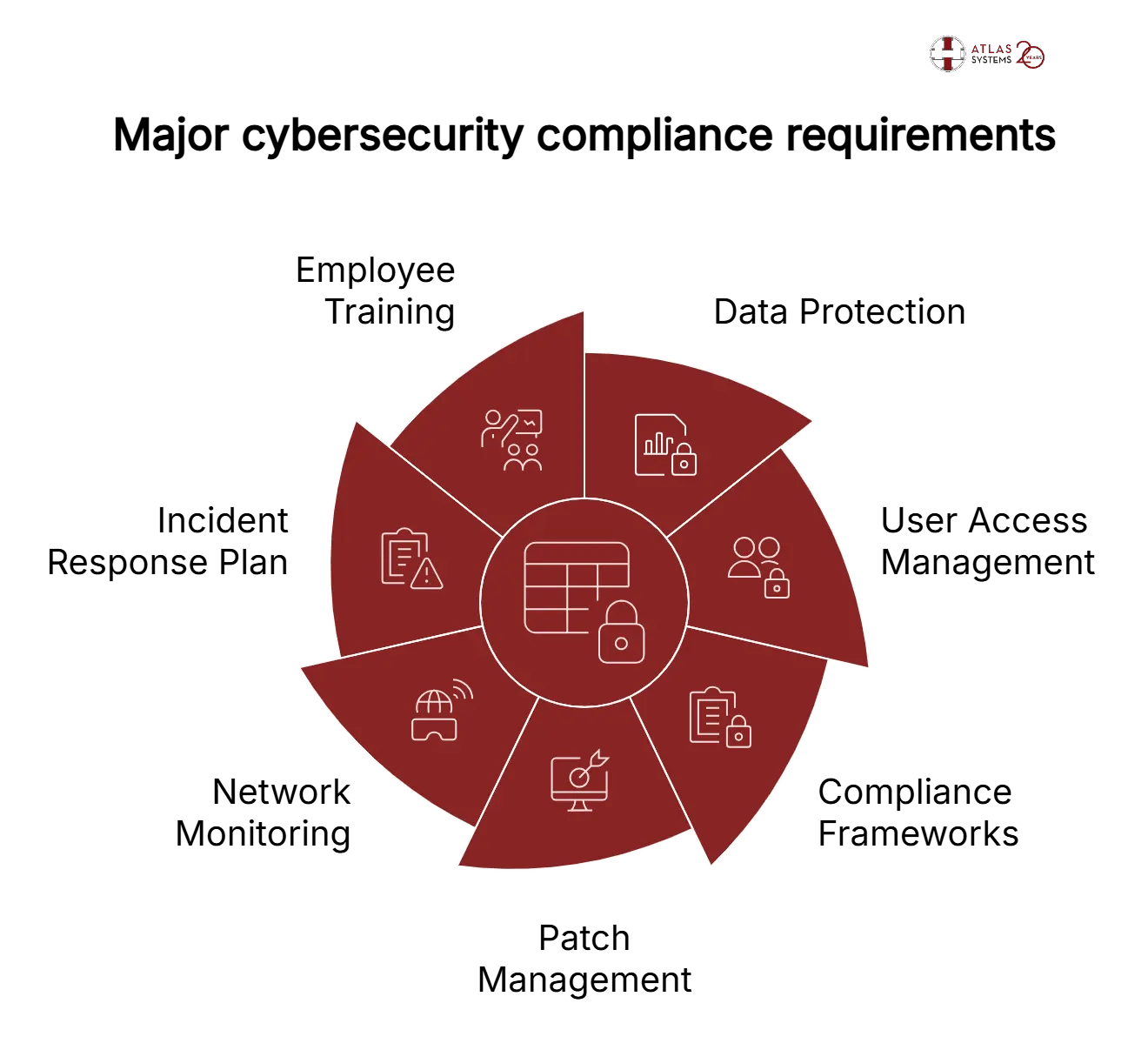
- Maintain secure IT infrastructure
- Train staff on data protection practices
- Monitor systems for security threats
- Comply with reporting and record-keeping obligations
Failure to meet these responsibilities can result in fines, lawsuits, or reputational damage.
Managing Cross-Border E-Commerce Risks
E-commerce often operates across national borders, increasing legal and security complexity. Cyber law helps address these challenges by setting jurisdictional and compliance expectations.
Legal considerations include:
- Handling international customer data
- Complying with multiple privacy standards
- Managing cross-border fraud disputes
- Ensuring lawful data transfers
Understanding these requirements reduces legal uncertainty and operational risk.
Responding to Cybersecurity Incidents
When security incidents occur, cyber law provides a structured response framework. Timely and lawful action can significantly limit damage.
Legal response obligations may include:
- Incident investigation and documentation
- Notification to affected customers
- Cooperation with authorities
- Corrective security measures
A clear legal response helps businesses recover faster and maintain trust.


Why Cyber Law Is Essential for E-Commerce Growth
Security and trust are essential for long-term e-commerce success. Cyber law supports growth by establishing predictable rules that protect both consumers and businesses.
Effective cyber law:
- Encourages consumer confidence
- Reduces fraud and data misuse
- Creates fair competition
- Supports sustainable digital commerce
Legal compliance is not just an obligation—it is a competitive advantage.
Frequently Asked Questions
Does cyber law apply to small e-commerce businesses?
Yes. Businesses of all sizes must comply with applicable cyber and data protection laws.
Is cybersecurity only a technical issue?
No. Cybersecurity is both a technical and legal responsibility governed by regulatory standards.
What happens if an e-commerce site suffers a data breach?
Legal obligations may include notifying customers, regulators, and taking corrective action.
Can consumers take legal action after an online data breach?
In many cases, yes. Consumers may pursue claims for negligence or data protection violations.
How does cyber law affect online payment systems?
It sets standards for security, liability, and fraud prevention in digital transactions.
Are international e-commerce laws the same everywhere?
No. Cyber laws vary by jurisdiction, making compliance planning essential for global operations.
Does following cyber law guarantee complete security?
No system is completely risk-free, but legal compliance significantly reduces exposure and improves response readiness.
Cyber law plays a vital role in e-commerce security by setting clear standards for data protection, transaction safety, and accountability. Businesses that understand and embrace these legal frameworks are better equipped to protect users, prevent cyber threats, and thrive in an increasingly digital economy.
