


Recovering from an injury is rarely limited to physical healing. Medical bills, lost income, emotional stress, and insurance disputes often slow progress and add pressure at the worst possible time. Personal injury lawyers play a critical role in easing this burden by handling the legal and financial challenges that stand between injured individuals and a full recovery.
Their support extends far beyond filing paperwork—they help create stability so clients can focus on healing.
Understanding Recovery Beyond Medical Treatment
Recovery after an injury includes several interconnected aspects:
- Physical rehabilitation and ongoing care
- Emotional and psychological well-being
- Financial stability during time away from work
- Long-term planning for lifestyle changes or disabilities
A personal injury lawyer helps address these broader recovery needs by securing compensation and protecting legal rights.
Managing the Legal Burden During Recovery
Legal processes can be overwhelming for someone already dealing with pain and disruption. Lawyers take on these responsibilities so clients do not have to.
Handling Insurance Companies
Insurance negotiations are often adversarial. Personal injury lawyers:
- Communicate directly with insurers
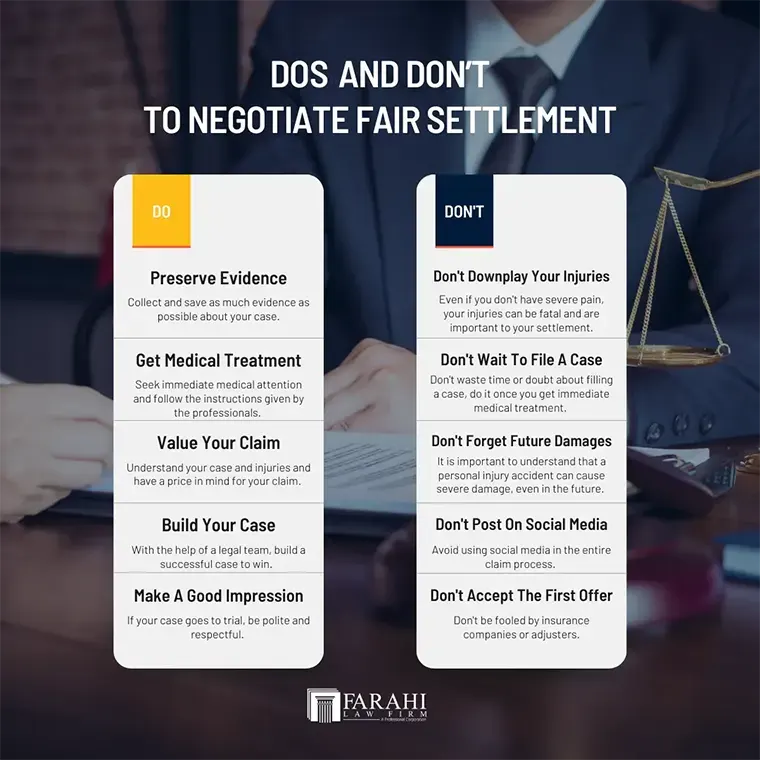
- Prevent low settlement offers
- Respond to claim denials or delays
- Protect clients from statements that could weaken their case
This advocacy reduces stress and avoids costly mistakes.
Investigating the Injury Thoroughly
A strong case requires careful fact-finding. Lawyers gather:
- Accident reports and photographs
- Medical records and expert opinions
- Witness statements
- Employment and wage documentation
This detailed investigation ensures the full impact of the injury is recognized.
Securing Financial Resources for Healing
Compensation is not just about reimbursement—it enables access to proper care.
Recovering Medical Costs
Personal injury lawyers pursue damages for:
- Emergency treatment
- Surgeries and hospital stays
- Physical therapy and rehabilitation
- Prescription medications
- Future medical needs
This financial support allows clients to follow medical advice without fear of mounting debt.
Addressing Lost Income and Earning Capacity
Injuries often interrupt employment. Lawyers calculate and pursue compensation for:
- Missed wages during recovery
- Reduced earning ability
- Lost employment benefits
- Career disruptions caused by permanent limitations
These claims help stabilize finances during a vulnerable period.
Supporting Emotional and Mental Well-Being
Legal stress can slow emotional recovery. By taking control of the case, lawyers provide reassurance and clarity.
Clients benefit from:
- Clear explanations of legal options
- Realistic timelines and expectations
- Reduced confrontation with opposing parties
- Confidence that their interests are protected
This emotional relief contributes to overall healing.


Advocating for Long-Term Recovery Needs
Some injuries have lasting effects that require future planning.
Planning for Ongoing Care
Personal injury lawyers account for:
- Long-term therapy or assistance
- Adaptive equipment or home modifications
- Chronic pain management
- Reduced quality of life
These considerations ensure settlements reflect real future needs, not just immediate expenses.
Representing Clients in Court When Necessary
When fair settlements are not offered, lawyers are prepared to proceed to trial. Their courtroom advocacy ensures:
- Evidence is clearly presented
- Expert testimony is effectively used
- Liability is firmly established
- Compensation reflects the full extent of harm
Trial readiness often motivates insurers to negotiate more responsibly.
Empowering Clients Through Knowledge
An informed client is better equipped to recover. Lawyers educate clients about:
- Their legal rights
- The value of their claim
- The steps involved in the process
- Decisions that may affect recovery outcomes
This transparency helps clients feel in control during uncertain times.
Frequently Asked Questions (FAQs)
1. Do personal injury lawyers help coordinate medical care?
They do not provide treatment, but they often help clients access specialists and understand documentation needed to support care-related claims.
2. Can a lawyer help if recovery takes longer than expected?
Yes. Lawyers adjust claims to reflect extended recovery timelines and additional medical costs.
3. How do lawyers support clients who cannot return to their previous jobs?
They pursue compensation for reduced earning capacity and, when applicable, vocational retraining needs.
4. Does hiring a personal injury lawyer speed up recovery?
While lawyers cannot control healing time, removing financial and legal stress often supports smoother recovery.
5. Can emotional distress be included in recovery-related compensation?
Yes. Pain, suffering, and emotional distress are often part of personal injury damages.
6. What if recovery reveals new injuries later?
Lawyers can incorporate newly discovered injuries into ongoing claims if properly documented.
7. Is legal support helpful even for minor injuries?
Yes. Even seemingly minor injuries can have lasting effects, and legal guidance ensures they are not underestimated.
Understanding how personal injury lawyers support recovery highlights their role as advocates for both justice and well-being. By managing legal complexity and securing essential resources, they help injured individuals move forward with stability, dignity, and confidence.
