


Paternity laws define the legal relationship between a child and their biological or legal father. These laws are central to determining parental rights, financial responsibilities, and a child’s long-term welfare. While the specifics differ by jurisdiction, the underlying goal is consistent: to protect the best interests of the child while balancing the rights and duties of parents.
Understanding how paternity is established—and what it legally means—can help parents make informed decisions during emotionally complex situations.
What Is Paternity in Legal Terms?
Paternity refers to the legal acknowledgment of a man as a child’s father. This recognition goes beyond biology and creates enforceable rights and obligations under the law.
Legally established paternity affects:
- A child’s right to financial support
- Access to inheritance and benefits
- A father’s ability to seek custody or visitation
- Decision-making authority over education, healthcare, and upbringing
Without legal paternity, many of these rights remain unavailable, even if a biological relationship exists.
How Paternity Is Established
Paternity can be confirmed through several legal pathways, depending on the family’s circumstances.
Voluntary Acknowledgment
This is often the simplest method. Both parents sign a formal declaration stating the man is the child’s father. It is commonly completed at or shortly after birth.
Key features include:
- No court involvement initially
- Immediate recognition of parental rights
- Legal responsibility for child support
Once signed, this acknowledgment usually carries the same weight as a court order.
Presumption of Paternity
In many legal systems, a man may be presumed to be the father if:
- He is married to the child’s mother at the time of birth
- The child is born within a certain period after marriage ends
- He has openly acted as the child’s father
This presumption can often be challenged but remains valid unless legally overturned.
Court-Ordered Paternity
When paternity is disputed, courts may intervene. This often involves genetic testing, which provides highly reliable results.
A court order can:
- Officially establish or deny paternity
- Trigger child support obligations
- Open the door to custody or visitation claims
Rights Gained After Establishing Paternity
Once paternity is legally confirmed, fathers gain enforceable parental rights that protect their relationship with the child.
Custody and Visitation Rights
Legal paternity allows a father to request:
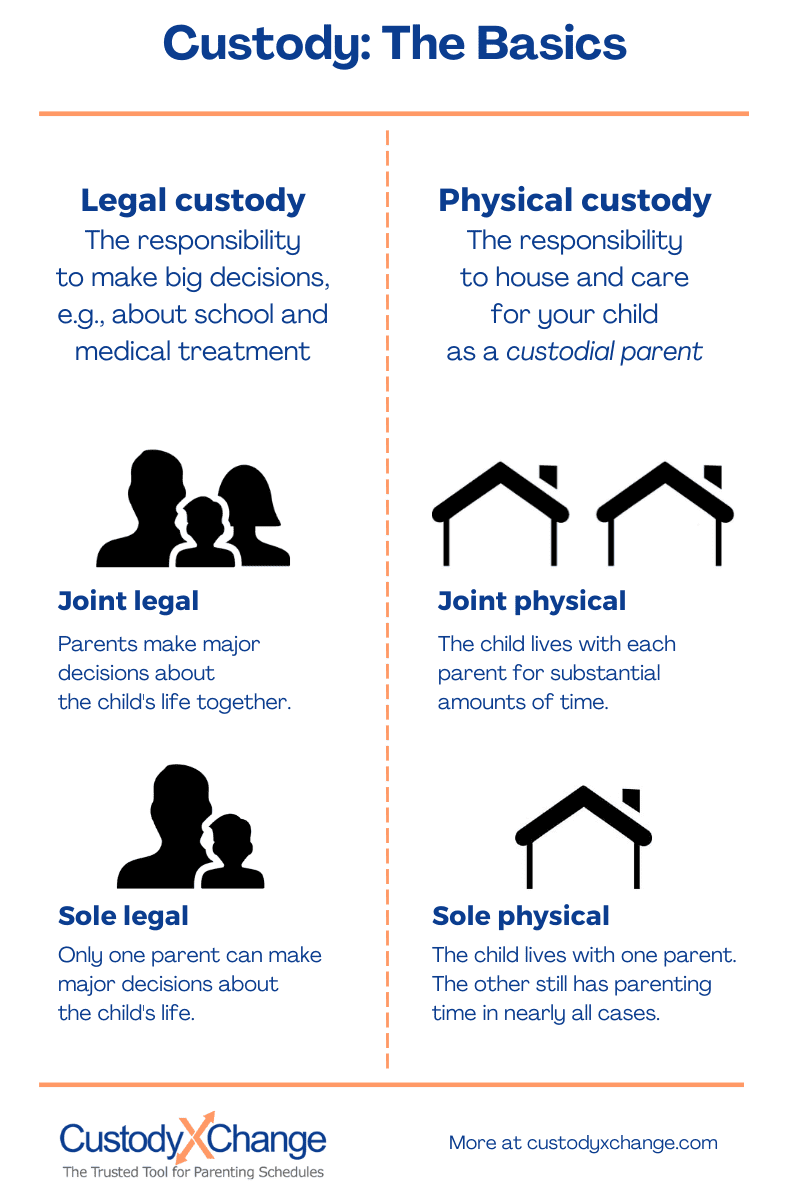
- Physical custody (where the child lives)
- Legal custody (decision-making authority)
- Visitation or parenting time
Courts evaluate these requests based on the child’s best interests, not parental preference alone.
Participation in Major Decisions
A legally recognized father may participate in decisions involving:
- Medical care
- Education and schooling
- Religious upbringing
- Travel and relocation matters
These rights ensure both parents can remain actively involved in the child’s life.
Responsibilities That Come With Paternity
Parental rights are inseparable from parental duties. Establishing paternity creates obligations that are legally enforceable.
Financial Support
Fathers are typically required to contribute to:
- Child support payments
- Healthcare costs
- Educational and childcare expenses
Support is calculated using statutory guidelines designed to meet the child’s needs fairly.
Long-Term Accountability
Paternity also links fathers to:
- Liability for certain legal claims involving the child
- Responsibility until the child reaches adulthood or legal independence
- Potential support obligations beyond childhood in limited cases
Impact on the Child’s Legal Status
From the child’s perspective, paternity provides stability and protection.
Children gain access to:
- Inheritance rights
- Family medical history
- Social, insurance, or survivor benefits
- Emotional security through recognized parentage
These benefits often extend far beyond childhood.


Challenging or Disestablishing Paternity
In some cases, legal paternity may be questioned after it has been established.
This may occur when:
- New genetic evidence emerges
- Fraud or mistake is proven
- The original acknowledgment was signed under pressure
Courts approach these cases cautiously, prioritizing the child’s emotional and financial stability over biological arguments alone.
Why Legal Guidance Matters
Paternity cases can involve sensitive emotional, financial, and legal consequences. Even straightforward situations may have long-term implications if handled incorrectly.
Professional legal advice can help:
- Protect parental rights
- Avoid unintended financial obligations
- Ensure compliance with procedural requirements
- Reduce future disputes
Frequently Asked Questions (FAQs)
1. Can paternity be established without the mother’s consent?
Yes, a court can establish paternity through legal proceedings and genetic testing, even if the mother disagrees.
2. Does establishing paternity automatically grant custody?
No. Paternity allows a father to seek custody or visitation, but courts decide based on the child’s best interests.
3. Can a father decline paternity to avoid child support?
No. If biological or legal paternity is proven, financial responsibility usually cannot be avoided.
4. Is paternity the same as parental rights?
Paternity is the legal foundation. Parental rights flow from it but may still require court approval in contested cases.
5. Can paternity be changed years later?
In limited circumstances, yes. Courts consider timing, evidence, and the child’s welfare before allowing changes.
6. What happens if no father is legally established?
The child may lose access to financial support, benefits, and inheritance, while the mother retains sole legal responsibility.
7. Does paternity affect a child’s last name or birth certificate?
Yes. Legal paternity often allows a father’s name to be added to the birth record and may support a name change request.
Understanding paternity laws and parental rights empowers parents to act responsibly while safeguarding a child’s future. Clear legal recognition benefits everyone involved, especially the child at the center of the process.
