


Most personal injury cases settle before reaching a courtroom, but some disputes cannot be resolved through negotiation. When settlement efforts fail, the case may proceed to trial. Understanding what triggers a trial and what happens during the process helps injured parties prepare for both the risks and opportunities involved.
Trials are formal, structured, and evidence-driven. They require patience, preparation, and a clear legal strategy.
Why Some Personal Injury Cases Go to Trial
Trials typically occur when the parties cannot agree on responsibility or compensation.
Common reasons include:
- Disputes over fault or liability
- Disagreement on the severity of injuries
- Conflicting medical opinions
- Insurance companies denying or undervaluing claims
- Legal questions that require judicial interpretation
When settlement offers do not reflect the claimed damages, a trial may become the only path to resolution.
Deciding Whether to Go to Trial
Choosing to go to trial is a significant decision with both advantages and drawbacks.
Factors That Influence the Decision
Attorneys and clients often consider:
- Strength of the evidence
- Credibility of witnesses
- Potential jury perception
- Financial and emotional costs
- Time required to reach a verdict
Trials can result in higher compensation, but outcomes are never guaranteed.
Risks and Benefits
Potential benefits include:
- Full accountability for the defendant
- Compensation determined by a jury
- Public record of wrongdoing
Potential risks include:
- Losing the case entirely
- Lengthy delays
- Appeals that extend resolution
Each case requires a tailored evaluation before proceeding.
What Happens Before the Trial Begins
Preparation is critical. Long before opening statements, both sides engage in detailed legal work.
Pretrial Procedures
These often include:
- Discovery and evidence exchange
- Depositions of parties and witnesses
- Motions to limit or exclude evidence
- Pretrial conferences with the judge
This phase shapes what the jury will ultimately hear.
The Personal Injury Trial Process
Trials follow a structured sequence designed to ensure fairness and clarity.
Jury Selection
Attorneys question potential jurors to identify bias and ensure impartiality. Both sides may challenge jurors for cause or use limited discretionary strikes.
Opening Statements
Each side outlines its version of events. These statements provide a roadmap of what the evidence is expected to show.
Presentation of Evidence
This is the core of the trial and may include:
- Medical records and expert testimony
- Accident reports and photographs
- Eyewitness accounts
- Financial documentation of losses
The plaintiff bears the burden of proving the claim by a preponderance of the evidence.
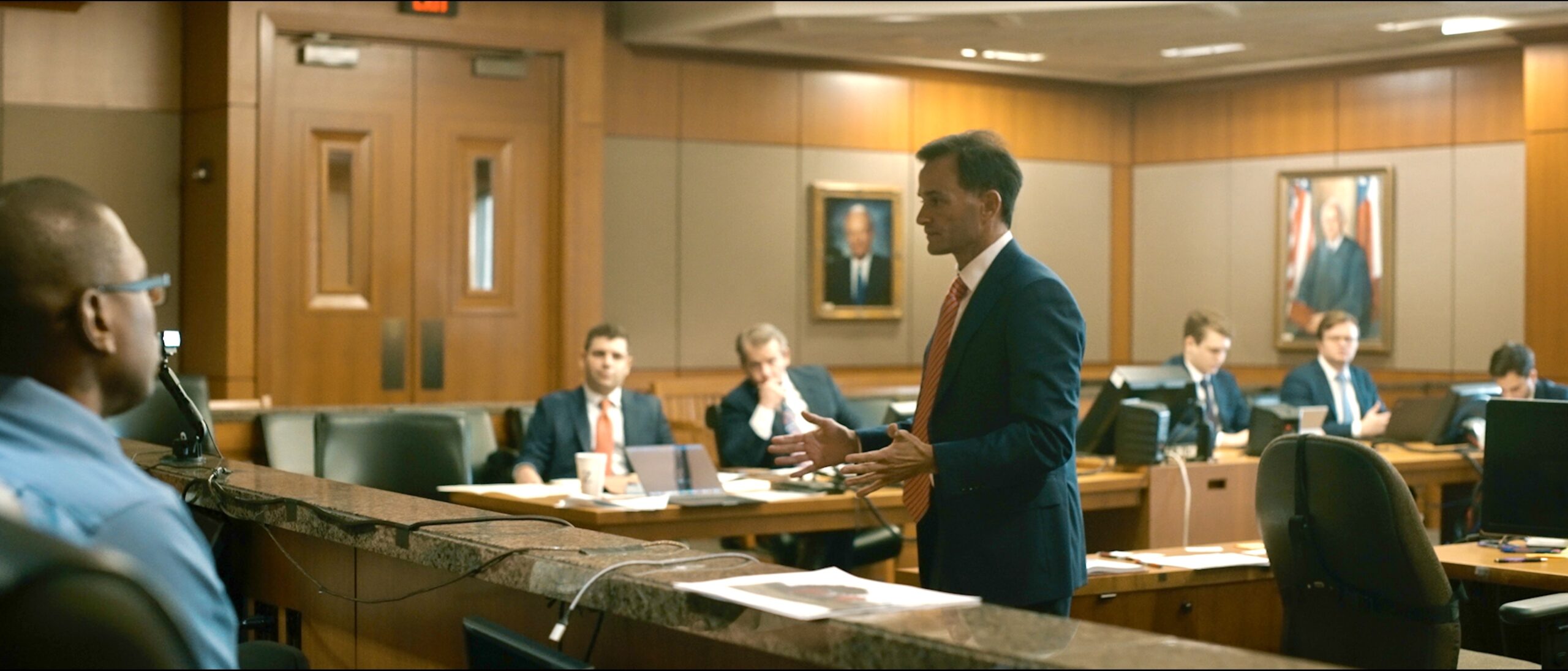
Cross-Examination
Opposing attorneys question witnesses to test credibility, consistency, and reliability.
Closing Arguments
Both sides summarize the evidence and argue how the jury should interpret it. No new evidence is introduced at this stage.
Jury Deliberation and Verdict
Jurors privately review the evidence and reach a decision on liability and damages. Verdicts may be unanimous or majority-based, depending on jurisdiction.


Possible Outcomes of a Trial
A personal injury trial can end in several ways.
Outcomes may include:
- A verdict in favor of the plaintiff with awarded damages
- A defense verdict with no compensation
- A partial award that reduces claimed damages
- A settlement reached during trial proceedings
Even after a verdict, post-trial motions or appeals may follow.
How Long Personal Injury Trials Take
Trial length varies based on complexity.
Factors affecting duration include:
- Number of witnesses
- Volume of medical evidence
- Legal motions and objections
- Court scheduling
Some trials last only a few days, while others extend for weeks.
Emotional and Financial Considerations
Trials are demanding. Plaintiffs may need to testify, relive traumatic events, and endure public scrutiny. Legal costs may also increase, though many personal injury cases are handled on a contingency basis.
Understanding these pressures helps plaintiffs make informed decisions about proceeding to trial.
Frequently Asked Questions (FAQs)
1. Can a personal injury case settle after the trial has started?
Yes. Many cases settle during jury selection or even after evidence has been presented.
2. Do plaintiffs always have to testify at trial?
Not always, but plaintiffs typically testify to explain their injuries and losses firsthand.
3. Are juries biased against injury claims?
Juror attitudes vary. Courts aim to select impartial jurors, and evidence ultimately drives decisions.
4. Can new evidence be introduced during trial?
Generally no. Evidence must be disclosed during pretrial discovery unless the court allows an exception.
5. What happens if the jury cannot reach a verdict?
The judge may declare a mistrial, which could lead to a retrial or renewed settlement discussions.
6. Are trial verdicts final?
Not always. Parties may file post-trial motions or appeals, which can modify or overturn outcomes.
7. Does going to trial increase compensation?
It can, but there is no guarantee. Trials involve risk, and awards depend on evidence and jury judgment.
Knowing when personal injury cases go to trial equips injured individuals to weigh settlement options against the potential rewards and risks of courtroom litigation. A well-prepared case and realistic expectations are essential for navigating this demanding process.
