

Introduction
Multi-vehicle accidents are among the most complicated motor vehicle collisions due to the number of people, vehicles, and potential insurance claims involved. Unlike a simple two-car crash, responsibility is rarely clear-cut. A single mistake by one driver can trigger a series of impacts, or multiple drivers may contribute to the chain of events. Understanding how liability works in these situations helps injured parties protect their rights and navigate insurance or legal claims with confidence.
What Is a Multi-Vehicle Accident?
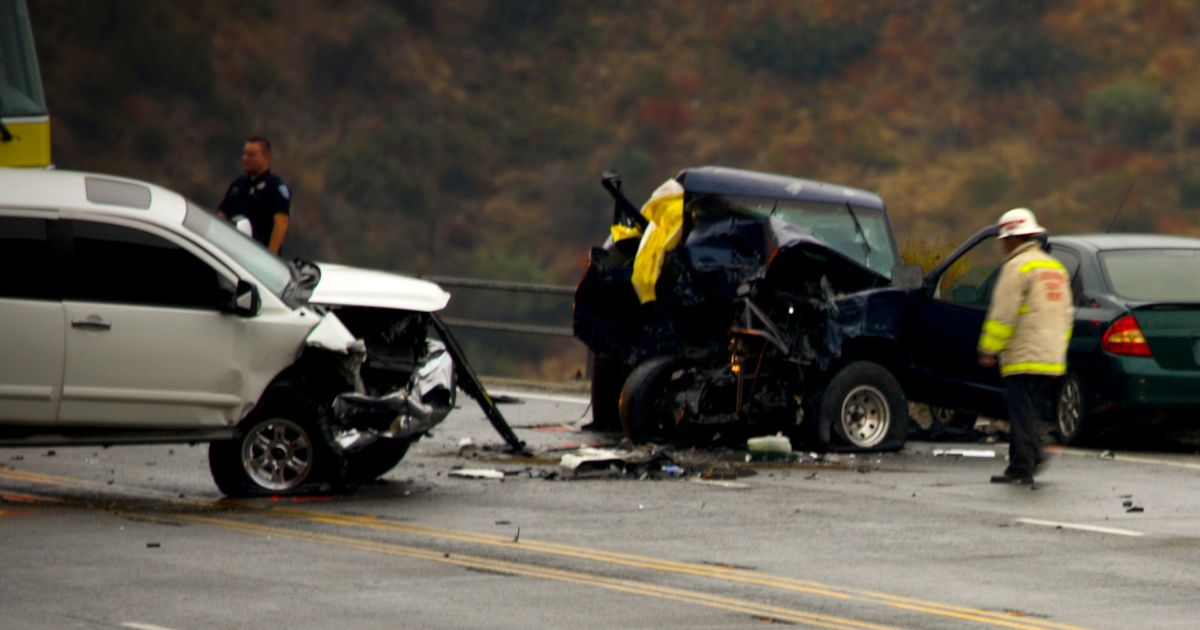
A multi-vehicle accident involves three or more vehicles in the same crash sequence. These incidents often occur on congested roads, high-speed highways, or areas with limited visibility where drivers have less time to react. These crashes tend to cause more severe injuries, extensive property damage, and complicated fault assessments.
Common Types of Multi-Vehicle Collisions
-
Chain-Reaction Rear-End Crashes: One vehicle stops abruptly, the car behind fails to brake in time, and the impact pushes vehicles forward into others.
-
Intersection Collisions: A driver running a red light or stop sign can hit another vehicle, causing additional cars to collide while trying to avoid the crash.
-
Highway Pileups: Low visibility, weather conditions, or sudden traffic stops can lead to dozens of vehicles becoming involved.
-
Sideswipe Sequences: One driver drifting out of their lane can push another vehicle into a third, creating a ripple effect.
How Liability Is Determined
Assigning fault in multi-vehicle accidents requires a detailed investigation because several parties may share responsibility. Liability depends on who acted negligently and how each driver’s actions contributed to the crash.
Key Factors That Influence Fault
1. Driver Negligence
Liability often starts with identifying the first negligent act. Examples include:
-
Following too closely
-
Speeding or aggressive driving
-
Distracted driving, such as texting
-
Failing to obey traffic signs or signals
Investigators look for signs that a driver’s behavior triggered the chain of events.
2. Sequence of Impacts
Understanding the timing of each collision is critical. In many cases, the vehicle that initiated the first impact carries the most liability. However, other drivers may also share responsibility if they contributed by reacting improperly or failing to maintain safe following distances.
3. Weather and Road Conditions
Hazards such as fog, rain, ice, or sudden road obstacles may not excuse negligence but can help explain why additional drivers were unable to avoid the crash. These factors can shift liability percentages, especially in states that use comparative negligence rules.
4. Mechanical Failures
A brake failure, tire blowout, or other mechanical issue may contribute to an accident. If poor maintenance is the cause, the driver or vehicle owner may be liable. In rare cases, a manufacturer may share responsibility.
5. Compliance With Traffic Laws
Violations such as speeding, improper lane changes, or failure to yield help determine how much fault each driver bears. Police reports and witness statements play a major role in identifying these violations.
The Role of Evidence in Multi-Vehicle Accident Claims
Strong evidence is essential for clarifying the chain of events and supporting claims for compensation. Because multiple vehicles are involved, the evidence must establish not only what happened but who contributed to each stage of the collision.
Important Forms of Evidence Include
-
Police Reports: Provide objective details, diagrams, and initial fault assessments.
-
Witness Statements: Offer valuable third-party perspectives on how the crash unfolded.
-
Traffic or Dashcam Footage: Visual recordings often show the exact sequence of impacts.
-
Vehicle Damage Analysis: The pattern and location of damage reveal how each vehicle was struck.
-
Skid Marks and Road Debris: Help determine vehicle speeds and directions before the collision.
-
Medical Records: Document injuries and support claims for damages.
How Insurance Companies Evaluate Multi-Vehicle Accidents
Insurance companies examine each driver’s role and compare it with state negligence laws. Their goal is to assign percentages of fault, which directly affect how much compensation each driver receives or owes.
Insurance Adjusters Typically Look At
-
Whether a driver was speeding, distracted, or following too closely
-
If any driver attempted to avoid the collision
-
Statements from all involved parties
-
Photographs and detailed crash scene analysis
-
Consistency between vehicle damage and driver explanations
In states with comparative negligence, each driver’s compensation may be reduced by their percentage of fault. In no-fault states, drivers typically rely on their own insurance for initial medical coverage regardless of fault.
When Multiple Drivers Share Liability
It is common in multi-vehicle accidents for more than one driver to be responsible. For example, the first driver may have caused the initial collision, but another driver may worsen the crash by tailgating or failing to brake. Each negligent action contributes to the overall damage, and each party may be assigned a portion of liability.
Why Legal Assistance Is Essential
Because fault is not always obvious and insurance companies often dispute claims, having legal representation can be critical. An attorney can analyze evidence, reconstruct the crash sequence, negotiate with insurers, and help ensure that injured parties receive fair compensation.
FAQs
1. Who is usually at fault in a chain-reaction accident?
Fault often starts with the driver who caused the first collision, but other drivers may also share liability if they were following too closely or not paying attention.
2. Can more than one driver be held responsible?
Yes, multi-vehicle accidents commonly involve shared fault. Investigators may assign different percentages of liability to multiple drivers.
3. How long does it take to determine fault in a multi-car crash?
Depending on the complexity, it may take days or weeks. Extensive evidence review and insurance evaluations contribute to the timeline.
4. Do weather conditions affect liability?
Bad weather may reduce visibility or road traction, but drivers are still expected to adjust their speed and maintain control, so liability still applies.
5. Will my insurance rates increase after a multi-car collision?
If you are found at fault or partially at fault, your rates may increase. If not, your insurer may still adjust your rates depending on policy rules.
6. What should I do immediately after a multi-vehicle accident?
Call emergency services, document the scene, gather witness information, exchange insurance details, and seek medical attention.
7. How does comparative negligence work in multi-vehicle accidents?
Each driver involved may be assigned a percentage of fault. Compensation is reduced based on that percentage, meaning a driver who is 20% at fault receives 80% of their eligible damages.
