

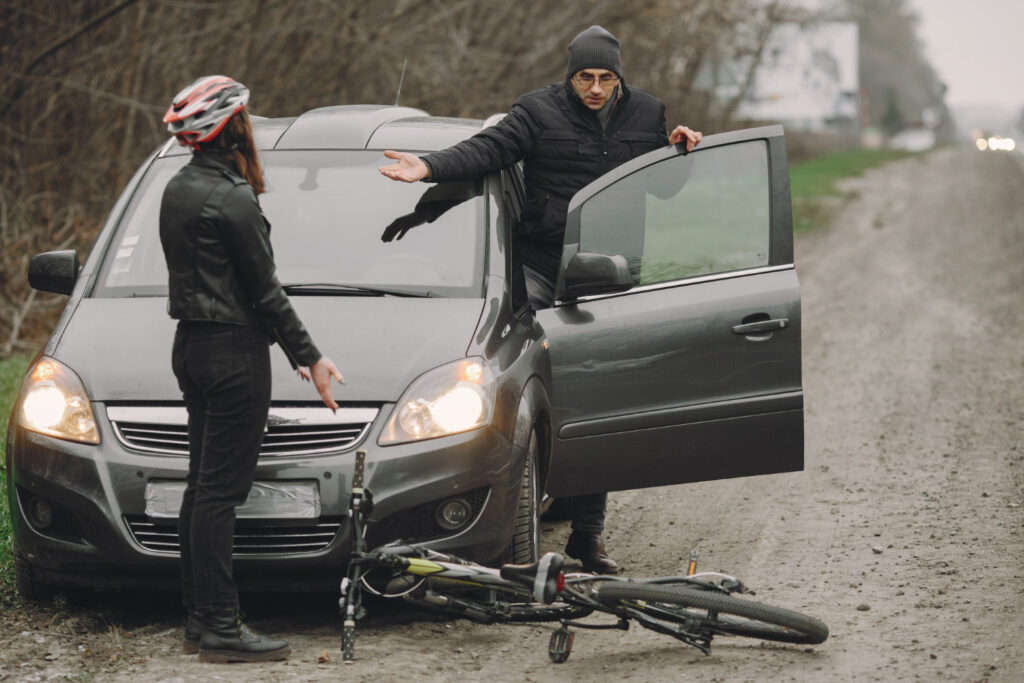
A hit-and-run crash is particularly overwhelming because the at-fault driver flees, leaving victims unsure of what to do next. Acting promptly and strategically is critical for your safety, your legal protections, and your ability to recover compensation.
Prioritize Safety and Medical Attention
Your immediate health and safety come first, even before you think about legal action.
Move yourself and your passengers to a secure area if the vehicle is in a dangerous position. Call emergency services right away, even if injuries seem minor. Some internal injuries develop symptoms later, so medical documentation is also essential for insurance and legal claims.
Contact Law Enforcement Immediately
Notifying the police is mandatory in most jurisdictions after a hit-and-run.
Provide officers with every detail you can recall:
-
Vehicle make, model, and color
-
License plate numbers (even partial)
-
Description of the driver
-
Direction the vehicle fled
-
Time and location of the collision
A police report becomes a foundational document when dealing with insurance providers and investigating the person responsible.
Gather Evidence at the Scene
Evidence collected immediately after the crash can significantly influence the outcome of any investigation or claim.
Try to obtain:
-
Photos and videos of your vehicle, injuries, skid marks, debris, and surroundings
-
Statements and contact information of witnesses
-
Surveillance camera locations from businesses or homes nearby
-
Dashcam footage, if available
The more evidence you preserve, the stronger your case becomes when establishing fault or negotiating with insurers.
Notify Your Insurance Company
Inform your insurance provider promptly, even if the hit-and-run driver remains unidentified.
Most policies include uninsured motorist (UM) or underinsured motorist (UIM) coverage that may compensate you for medical bills, lost income, and property damage.
Provide your insurer with the police report number, photos, medical records, and any additional evidence you have collected.
Work With Law Enforcement on the Investigation
Police departments often review surveillance footage, witness statements, and traffic camera images to locate fleeing drivers.
Stay available for follow-up questions and provide any new information you obtain.
Cooperation increases the likelihood of identifying the offender, which can help in criminal charges and civil compensation claims.
Document All Damages and Expenses
Accurate documentation supports your financial recovery.
Keep track of:
-
Medical bills and treatment records
-
Vehicle repair estimates
-
Towing and rental car receipts
-
Lost wages or missed workdays
-
Pain journal entries describing physical and emotional impact
Thorough records help strengthen your insurance claim or potential lawsuit.
Consult a Personal Injury Attorney
Hit-and-run cases can be complex because the at-fault driver is unknown or difficult to track down.
An attorney can:
-
Evaluate your legal options based on state laws
-
Handle communication with insurers
-
Negotiate fair compensation
-
Investigate the collision further using professional resources
-
Represent you in court if necessary
Legal representation often improves chances of maximizing compensation and avoiding insurance disputes.
Consider Civil and Criminal Consequences
If the driver is identified, they may face criminal charges such as leaving the scene of an accident, reckless driving, or DUI-related offenses.
You may also pursue a civil claim seeking damages for injuries and property loss.
Understanding both avenues helps ensure full accountability for the harm caused.
Protect Your Rights Throughout the Process
Avoid making recorded statements to insurers without legal guidance, as these can be used to minimize payouts.
Do not post accident details on social media.
Be cautious about accepting early settlement offers before understanding the full extent of injuries and damages.
FAQ
1. What should I do if I cannot identify the hit-and-run driver?
You should still report the crash to police and your insurer. UM or UIM coverage can help compensate you even if the driver is never found.
2. Is a police report required for a hit-and-run insurance claim?
Most insurers require an official report, and it strengthens your claim significantly.
3. How long do I have to file a claim after a hit-and-run?
Deadlines vary by state and insurance policy, so filing promptly is important.
4. Can security camera footage help locate the driver?
Yes, footage from nearby homes or businesses often helps police identify fleeing vehicles.
5. What if the hit-and-run happened in a parking lot?
The same steps apply: document evidence, notify police, and report the incident to your insurer.
6. Will my insurance rates increase after a hit-and-run?
This depends on your policy and state laws, but many insurers do not penalize drivers who were not at fault.
7. Can I still claim compensation if I was partially responsible for the accident?
Many states allow recovery under comparative negligence laws, though your compensation may be reduced based on your share of fault.
