


Economic uncertainty can place intense pressure on individuals and businesses alike. Rising costs, unstable income, inflation, layoffs, and market volatility often make it difficult to stay financially afloat. In such conditions, filing for bankruptcy may become a realistic and responsible option rather than a last resort.
Understanding how bankruptcy functions during unstable economic periods can help you make informed decisions that protect your financial future.
Why Economic Uncertainty Increases Bankruptcy Filings
Periods of economic instability tend to expose financial vulnerabilities that were previously manageable. Even disciplined budgeting may fail when income drops or expenses rise unexpectedly.
Common economic stressors include:
- Job losses or reduced work hours
- Rising interest rates and inflation
- Declining business revenue
- Unexpected medical or living expenses
- Tightened credit availability
When these factors overlap, debt can escalate quickly, making repayment unrealistic without legal intervention.
What Bankruptcy Is Designed to Do
Bankruptcy exists to provide legal relief from overwhelming debt while balancing the interests of creditors. It can help individuals and businesses regain control when financial obligations exceed their ability to pay.
Key purposes of bankruptcy include:
- Stopping creditor harassment and collection actions
- Preventing foreclosure or repossession in many cases
- Discharging or restructuring eligible debts
- Creating a structured path toward financial recovery
During economic downturns, these protections become especially valuable.
Timing Matters During Uncertain Economic Conditions
Filing bankruptcy during economic uncertainty requires careful timing. Waiting too long may result in asset loss, wage garnishment, or legal judgments. Filing too early, however, may limit future flexibility if income is likely to rebound soon.
Consider filing when:
- Income has stabilized at a lower level
- Debt continues to grow despite cost-cutting efforts
- Emergency savings are depleted
- Creditors are escalating legal actions
A realistic assessment of near-term income prospects is critical before proceeding.
Types of Bankruptcy Commonly Filed During Economic Downturns
Chapter 7: Fresh Start Through Debt Elimination
Chapter 7 bankruptcy is often chosen during recessions because it allows eligible filers to discharge unsecured debts relatively quickly.
It is commonly used to eliminate:
- Credit card balances
- Medical bills
- Personal loans
This option works best when income is limited and recovery is uncertain.
Chapter 13: Structured Repayment in Unstable Times
Chapter 13 bankruptcy provides a repayment plan over several years, allowing filers to catch up on missed obligations while protecting assets.
It is often used when:
- Income remains steady but strained
- Mortgage or auto payments are behind
- Asset protection is a priority
This approach offers predictability when economic conditions are unpredictable.
Benefits of Filing Bankruptcy During Economic Uncertainty
While bankruptcy carries long-term considerations, it can offer immediate relief during volatile periods.
Notable benefits include:
- Immediate halt to collections and lawsuits
- Predictable monthly obligations
- Emotional relief from financial stress
- Opportunity to reset finances before conditions worsen
In many cases, bankruptcy provides stability when external economic forces are uncontrollable.
Potential Risks to Consider
Economic uncertainty can also introduce risks that require careful planning.
Possible challenges include:
- Difficulty securing new credit immediately after filing
- Reduced access to housing or financing in tight markets
- Slower income recovery affecting repayment plans
Understanding these risks helps ensure bankruptcy becomes a tool for recovery rather than added strain.
Preparing Financially Before Filing
Before filing bankruptcy during uncertain economic conditions, preparation is essential.
Steps to take include:
- Gathering complete debt and income documentation
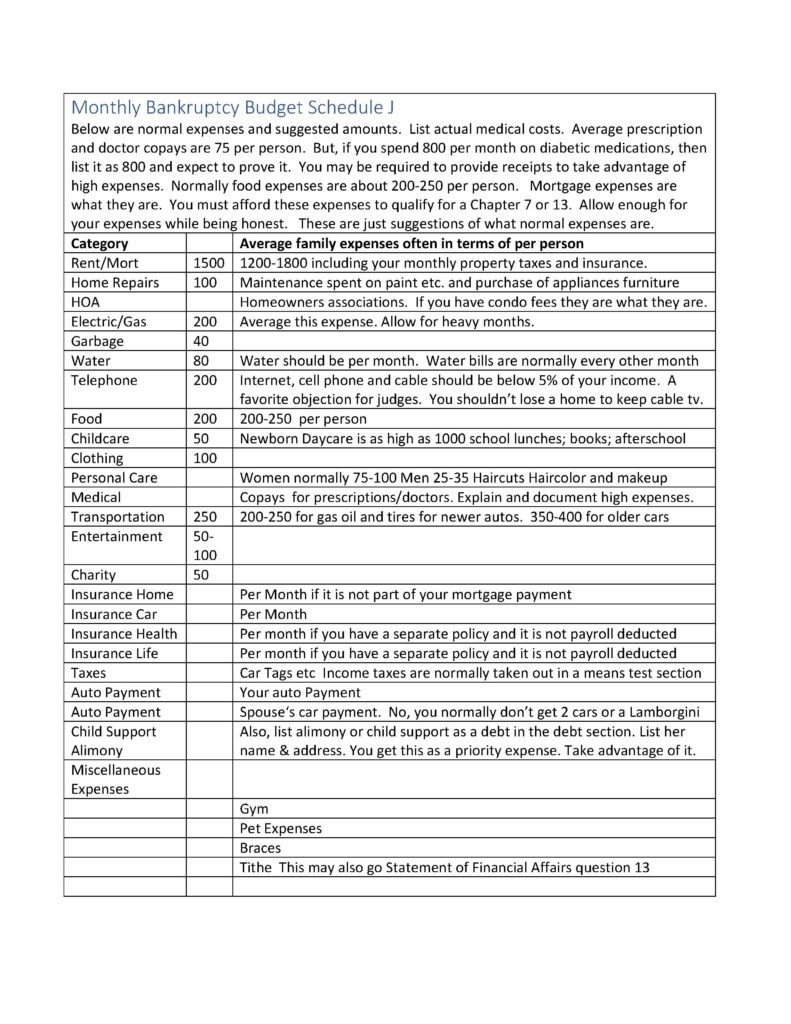
- Reviewing essential living expenses
- Avoiding new debt or asset transfers
- Creating a realistic post-bankruptcy budget
Thoughtful preparation strengthens outcomes and minimizes complications.

Long-Term Outlook After Bankruptcy
Economic downturns eventually pass, and bankruptcy can position individuals and families for a stronger financial future once stability returns.
Over time, many filers rebuild by:
- Establishing emergency savings
- Maintaining consistent payment histories
- Limiting reliance on credit
- Adjusting spending habits to new realities
Filing during uncertainty is not about giving up—it is about regaining control.
Frequently Asked Questions
Is it harder to file bankruptcy during a recession?
The legal process remains the same, though courts and trustees may experience higher caseloads during economic downturns.
Will filing bankruptcy protect me if my income drops further?
Bankruptcy can offer flexibility, and repayment plans may be adjusted if income changes significantly.
Does economic uncertainty affect bankruptcy eligibility?
Eligibility is based on income, assets, and debt—not overall economic conditions.
Can bankruptcy help with debts caused by inflation?
Yes, many debts impacted by rising living costs may be eligible for discharge or restructuring.
Should I wait for the economy to improve before filing?
Waiting can increase debt and risk asset loss if finances continue to deteriorate.
Will bankruptcy limit future financial opportunities?
Initially, yes—but many people rebuild credit and stability within a few years.
Is bankruptcy a responsible option during economic instability?
For many, it is a practical legal solution that provides structure, protection, and a path forward when uncertainty makes repayment unrealistic.
Filing bankruptcy during economic uncertainty is a serious decision, but when used thoughtfully, it can offer clarity, relief, and the foundation for long-term financial recovery.
